Broken at $80: How Gaming Controllers Got More Expensive and Less Reliable at the Same Time
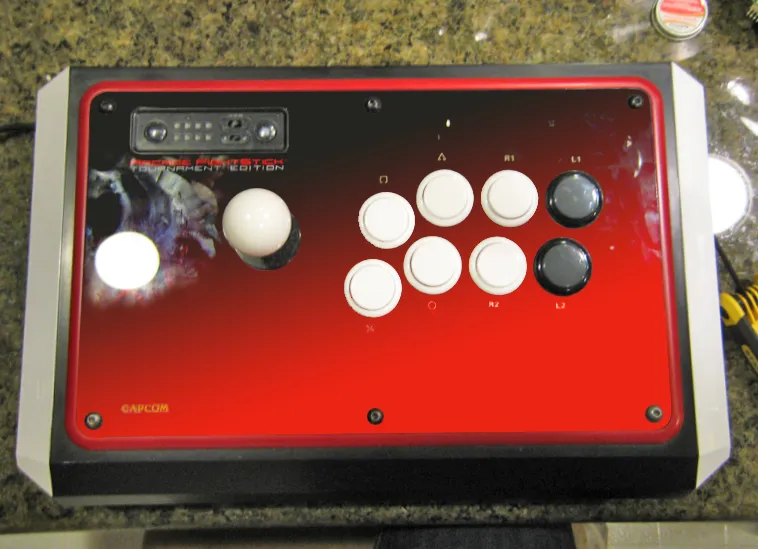
Photo: bryangateb from USA, CC BY-SA 2.0, via Wikimedia Commons
There's a specific kind of frustration that comes from dropping serious money on a gaming controller only to watch the left stick drift into uselessness six months later. It's not just annoying — it feels like a betrayal. You did the research. You read the reviews. You skipped the bargain-bin option and went with something mid-range that promised durability. And yet here you are, fighting your own hardware mid-match.
This isn't bad luck. It's a pattern. And the more you look at how gaming peripherals get made, priced, and sold in 2025, the more it starts to look less like coincidence and more like a system that's quietly working against you.
The Price Creep Nobody Talked About
Cast your mind back to 2015. A solid third-party controller — something from PowerA, PDP, or 8BitDo — would run you somewhere between $25 and $45. It wasn't a luxury. It was a reasonable backup, a couch co-op spare, or a budget-conscious main.
Today, those same brands are selling comparable products at $60, $70, sometimes pushing $80 or more. The official Xbox Wireless Controller from Microsoft now retails at $64.99. Sony's DualSense sits at $74.99. And third-party manufacturers, rather than undercutting those prices, have quietly crept up alongside them.
So what changed? The honest answer is: a lot of things, none of them particularly flattering to the industry.
Component costs did rise — that part is real. The global chip shortage that started hammering supply chains in 2021 pushed up prices on the microcontrollers, Hall effect sensors, and wireless modules that go into every modern gamepad. Shipping costs spiked. Labor costs in manufacturing hubs shifted. These are legitimate pressures.
But they don't fully explain the gap between what it costs to make a controller and what consumers are paying for one.
What's Actually Inside That $80 Controller
A teardown of several mid-range third-party controllers reveals something worth sitting with: the internal components have not meaningfully improved to match the price increase. In many cases, they've gotten worse.
Analog stick mechanisms — the part most likely to fail — are frequently sourced from the cheapest available suppliers. The potentiometer-based designs used in most controllers are inherently prone to wear. Dust, sweat, and repeated micro-movements gradually degrade the resistive material inside, producing that dreaded drift. Hall effect sensors, which use magnets instead of physical contact and are dramatically more durable, exist and are affordable. They just aren't being used in most mid-range products because they cost slightly more per unit and eat into margins.
The buttons are often rated for 3 to 5 million presses — a number that sounds impressive until you realize an active gamer can blow through that in under a year of regular play. Premium controllers from companies like SCUF or Razer use better-rated switches, but those products are priced at $150 to $250, putting them out of reach for most players.
The gap between what's technically possible and what's being shipped isn't an engineering problem. It's a business decision.
The Licensing Trap
Here's where things get genuinely frustrating. If you want a controller that works seamlessly with your PlayStation 5 or Xbox Series X — full button mapping, proper trigger haptics, no input lag, no missing features — you need a licensed product. And licensing costs money.
Sony's "Made for PlayStation" program and Microsoft's Xbox Design Lab licensing structure both require manufacturers to pay fees, meet technical specifications, and use certain proprietary components. These requirements aren't inherently bad — they exist partly to ensure quality — but they also create a ceiling on how cheaply a licensed third-party product can be made and sold.
The result is a squeeze. Manufacturers pay licensing fees, absorb component costs, factor in retail margins, and still need to turn a profit. The place that squeeze most visibly shows up is in build quality. The casing gets a little thinner. The internal components get a little cheaper. The QA process gets a little looser. You end up paying more for something that's been value-engineered down to its breaking point.
Unlicensed controllers — which you'll find flooding Amazon at the $15 to $25 price point — sidestep these costs entirely, but they often come with their own problems: input lag, missing features, and compatibility issues that surface after firmware updates. It's a trap from both directions.
First-Party Lock-In Is the Whole Point
It's worth asking who benefits most from third-party controllers being expensive and unreliable. The answer, pretty clearly, is Sony and Microsoft.
When third-party options disappoint, players default back to official hardware. The DualSense and Xbox Wireless Controller are genuinely well-made products — but they're also priced at a premium, sold at healthy margins, and part of broader platform ecosystems that encourage brand loyalty. Every time a $70 third-party controller breaks and sends a frustrated gamer back to the official store, that's a win for the platform holder.
This isn't a conspiracy — it's just how incentives work. Platform holders control licensing, set compatibility standards, and influence which features third-party manufacturers can legally implement. The ecosystem is structured, intentionally or not, in a way that makes the official product the safest bet.
8BitDo and the Exception That Proves the Rule
Not every manufacturer is cutting corners. 8BitDo has built a devoted following by doing the opposite — using quality components, offering firmware updates, and standing behind their products with actual customer support. Their controllers aren't the cheapest on the market, but they've earned a reputation for lasting.
The catch is that 8BitDo's products aren't fully licensed for PlayStation or Xbox in the same way official pads are, which means some features are limited depending on your platform. They're exceptional for PC, Switch, and retro gaming setups, but players locked into the PS5 or Xbox ecosystem may find the trade-offs frustrating.
The fact that 8BitDo is widely treated as an exception — a brand worth calling out specifically because it doesn't follow the race-to-the-bottom model — says something uncomfortable about the state of the market.
What You Can Actually Do About It
None of this means you're stuck. A few practical moves can help.
If you're buying third-party, prioritize brands with established return policies and check recent reviews specifically for durability — not just launch-week impressions. Products can change between production runs, and a controller that reviewed well in 2023 may be using different internals in 2025.
For PC players, the options are genuinely better. Without platform licensing requirements, you have access to a wider range of quality hardware at more honest price points.
And if you're in the market for an official controller, it's worth knowing that the refurbished market — particularly through manufacturer-certified programs — can get you first-party quality at significantly lower prices.
The broader problem isn't going anywhere soon. As long as licensing structures reward platform lock-in and supply chain pressure rewards margin over durability, the $80 controller that breaks in six months will keep showing up on store shelves. The least you can do is stop being surprised by it.