Déjà Vu All Over Again: PC Builders Are Getting Crushed by GPU Price Spikes in 2025
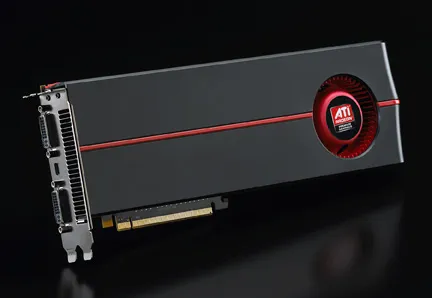
Photo: Advanced Micro Devices, Inc. (AMD), Attribution, via Wikimedia Commons
If you tried to buy a graphics card during 2021's infamous chip shortage, you already know the stomach-drop feeling of seeing a $400 GPU listed for $900 on eBay with a smug "best offer" button taunting you. Well, strap in — because that queasy sensation is making a comeback in 2025, and this time the story is a little more complicated.
GPU prices have been creeping upward across the board over the past several months. Mid-range cards that were sitting comfortably in the $350–$500 range late last year are now routinely hitting $600 or more at major retailers, with some models showing markups of 30 to 40 percent above MSRP. The question everyone's asking is: how did we get here again?
AI and Crypto Are Tag-Teaming the Supply Chain
Unlike 2021, when a perfect storm of pandemic-related factory shutdowns and a single crypto mining boom choked supply almost overnight, 2025's crunch has two distinct engines running simultaneously — and they're pulling in the same direction.
First, there's AI. The explosion of generative AI applications has sent demand for high-end compute hardware through the roof. While dedicated AI accelerator chips like NVIDIA's H-series dominate enterprise orders, the manufacturing capacity required to produce those chips — advanced TSMC nodes, high-bandwidth memory stacks, substrate materials — overlaps heavily with what goes into consumer GPUs. When fabs are running at capacity filling massive AI datacenter orders, consumer-grade production quietly takes a back seat.
"We've seen allocation cuts across several SKUs that we weren't anticipating," said one regional PC component retailer based in the Midwest who asked to remain anonymous due to vendor agreements. "The demand signals coming from the AI side are just overwhelming the pipeline. It's not that there are zero cards — it's that the volume we're getting isn't keeping up with what customers want."
Layered on top of that is a renewed uptick in cryptocurrency mining activity. Bitcoin and Ethereum-adjacent coins have seen significant price recoveries, and while proof-of-work mining isn't quite the wild west it was in 2021, it's back on the table for opportunistic miners who are once again eyeing consumer GPUs as accessible, repurposable hardware.
How This Differs From the 2021 Meltdown
It's tempting to call this 2021 Part Two, but the mechanics are meaningfully different. Four years ago, the shortage was largely a supply-side collapse — factories literally couldn't produce enough chips fast enough. Demand was high, but the root cause was a broken pipeline.
Today, supply isn't absent — it's being competed for. Manufacturers are making deliberate choices about where to direct their most advanced fabrication capacity, and consumer gaming hardware is losing that internal bidding war to enterprise AI clients who are paying significantly more per unit. It's less of a supply chain failure and more of a market prioritization problem.
There's also a secondary market dynamic at play. Scalpers in 2021 were largely opportunistic individuals flipping cards on StockX and eBay. In 2025, there's a more organized layer of resellers using automated purchasing bots that have gotten considerably more sophisticated. Some gaming communities on Reddit and Discord have documented bots clearing out online inventory within seconds of restocks — a problem retailers acknowledge but have struggled to fully address.
"We implement purchase limits and queue systems, but the bot operators adapt fast," said a customer service representative at a national electronics chain who spoke informally. "It's basically an arms race at this point."
What Gamers Are Actually Saying
For everyday PC builders, the frustration is palpable. Forums like r/buildapc and Linus Tech Tips community boards are full of posts from people who delayed a build hoping prices would normalize — only to watch things get worse.
Marcus T., a 27-year-old software developer in Austin who's been planning a new rig for six months, put it bluntly: "I was waiting for the right moment to pull the trigger on a GPU upgrade, and now I feel like I missed the window. The card I wanted went from $420 to $580 in like three months. That's real money."
His situation is common. Casual and mid-core gamers — the ones who aren't chasing bleeding-edge performance but just want a solid 1080p or 1440p experience — are getting hit hardest because the mid-range tier is seeing the worst relative markups.
Actionable Advice: Should You Buy Now or Wait?
This is the question that doesn't have a clean answer, but here's a practical breakdown based on where the market sits right now.
If you're on an older card (GTX 1060/1070 era or AMD RX 500 series): The performance gap has gotten genuinely painful, especially with newer titles pushing higher minimum specs. If you can find a previous-gen card — think RX 6700 XT or RTX 3070 — at or near MSRP through a reputable retailer, that's not a bad move. These are still capable cards for 1440p gaming.
If you already have something from the RTX 3000/RX 6000 generation: Sit tight. The performance uplift from a current-gen card doesn't justify the inflated price premium right now. Wait for the market to breathe.
Where to look for deals: Certified refurbished programs from manufacturers, Best Buy's open-box section (which updates frequently and often has competitive pricing), and Newegg's shell shocker deals during off-peak hours. Local Facebook Marketplace and OfferUp listings from people upgrading can also surface legitimate deals — just verify the card's condition and mining history if possible.
Avoid: Third-party Amazon marketplace sellers listing cards above MSRP, any storefront you've never heard of offering "limited stock" at seemingly normal prices, and the temptation to panic-buy at a massive markup just because inventory looks thin.
The Bigger Picture
The GPU market in 2025 is a reflection of a broader tension in the semiconductor industry: consumer electronics are increasingly competing with enterprise AI infrastructure for the same cutting-edge manufacturing resources, and consumers are not winning that fight. Until either fabrication capacity meaningfully expands or AI hardware demand plateaus — neither of which looks imminent — PC builders are going to need to be strategic.
Patience, flexibility on specs, and a willingness to consider last-gen hardware at honest prices are the best tools in a budget builder's kit right now. The golden era of "just buy what you want at a fair price" might be on pause, but it's not gone forever.
Keep checking back with GameXNews — we'll be tracking price trends and restocks as this story develops.