Pixels and Premiums: The Uncomfortable Truth About What Retro Games Actually Cost You
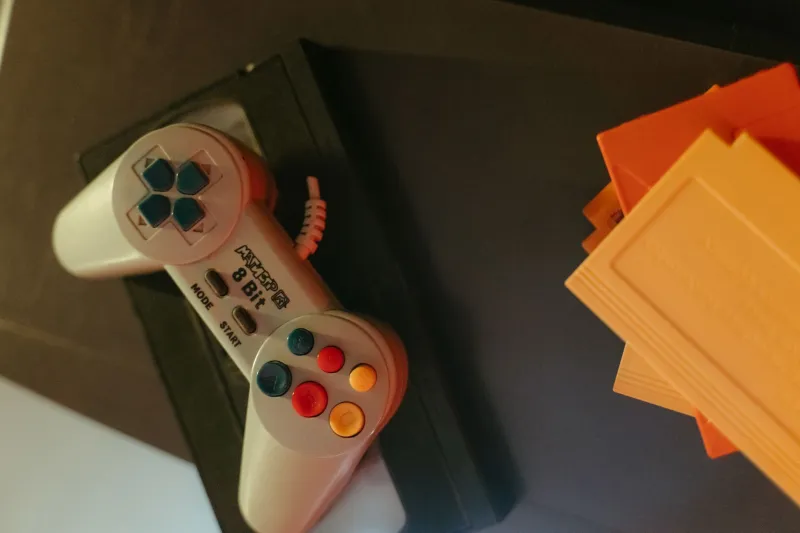
There's a specific kind of math happening in gaming right now that doesn't quite add up. A polished, 60-hour open-world RPG from a mid-tier studio drops on Steam for $39.99. Meanwhile, a pixel-art platformer that's essentially a cleaned-up port of a 1994 SNES game lists for $44.99 — and somehow, the platformer moves more units in its first week.
That's not a fluke. That's a business model.
Publishers have quietly cracked the code on something economists call emotional pricing — the idea that what you're willing to pay for something isn't really about its production cost or even its entertainment value. It's about how it makes you feel. And nothing makes a certain generation of gamers feel quite like the games they grew up with.
The question worth asking is simple: are you paying for a game, or are you paying for a memory?
The Numbers Behind the Nostalgia
Let's get concrete. Over the past two years, the retro re-release market has exploded in ways that would've seemed absurd a decade ago. Ports of 8-bit and 16-bit classics — many of them available for free through emulation, legally questionable or not — are regularly hitting storefronts at price points that would've bought you a new release in 2018.
Nintendo's been doing this for years through its Switch Online Expansion Pack, charging a premium subscription tier to access games that were included for free in previous service tiers. Sega has cycled through multiple "Classics" collections, each one repackaging largely the same library with minor additions. Capcom, Konami, and Atari have all run similar playbooks.
But the more interesting trend is happening at the indie and mid-publisher level, where smaller companies are licensing retro IP or building "spiritual successors" in pixel-art style and pricing them like premium experiences. Games with budgets a fraction of a modern AAA title are commanding $30 to $50 at launch — and leaning hard on nostalgia marketing to justify it.
The pitch is always some version of the same thing: This is the game you remember, made right. And for a lot of buyers, that's enough.
Original Creators? They're Often Not at the Table
Here's where it gets genuinely uncomfortable. A significant chunk of retro re-releases involve IP that was created by developers who no longer own it — or never did. In the classic era of gaming, it was completely standard for studio employees to sign away all creative rights to publishers. The people who designed your favorite childhood game often have zero stake in what happens to it now.
When Konami re-releases a Castlevania collection for $29.99, Koji Igarashi — the guy who essentially defined the franchise's golden age — doesn't see royalties. He's off making his own games independently. When Capcom packages up the Mega Man legacy titles, Keiji Inafune isn't cutting a check from that revenue. These are legally clean transactions for the publishers involved, but the moral accounting is messier.
It's not universally bleak. Some retro revivals genuinely involve original creators, and crowdfunded spiritual successors like Shovel Knight have shown that there's an honest version of this market. But those are the exceptions, not the rule. More often than not, the nostalgia being sold belongs to someone who isn't getting paid for it.
Why Pixel Art Sells Better Than Innovation
This is the part that should bother the industry more than it does. When a pixel-art game that deliberately mimics 1990s aesthetics consistently outperforms genuinely innovative indie titles at similar price points, it sends a clear signal to developers: don't take risks, give people what they already love.
And developers are listening. Steam is flooded with games that wear retro aesthetics as a marketing strategy rather than an artistic choice. The lo-fi visuals aren't a creative statement — they're a conversion funnel. They trigger recognition in potential buyers who scroll past, signaling familiarity before a single review is read.
That's not inherently dishonest, but it does create a market dynamic where nostalgia is actively crowding out originality. A genuinely weird, visually distinct indie game has to fight harder for attention than something that looks like it could've shipped on the Game Boy Color. Publishers and developers know this, and pricing reflects it — if the market will pay $40 for a retro-styled platformer, why would you charge less?
Are You Actually Getting Value?
Honest answer: sometimes yes, sometimes absolutely not.
There are retro re-releases that represent real value — games that have been properly remastered, include new content, run cleanly on modern hardware without emulation headaches, and come with quality-of-life improvements that make them genuinely better than the originals. The Castlevania Advance Collection and Capcom's Street Fighter 30th Anniversary Collection are solid examples of publishers doing the work.
But there's a growing category of releases that are little more than ROM dumps wrapped in a basic emulator shell, slapped with a $25 price tag and sold on brand recognition alone. If you've got even passing familiarity with emulation, you already know these exist everywhere for free — and the "official" version often doesn't run better, look better, or add anything meaningful.
The tell is usually in the feature list. Does the re-release include save states, display filters, rewind functionality, or new content? Is there any evidence of actual development work beyond porting? If the answer is mostly no, you're paying a nostalgia premium for something with a production cost that's almost embarrassingly low.
The Bigger Picture
None of this means you shouldn't buy retro games. If a remaster or re-release genuinely brings you joy and you go in with clear eyes about what you're purchasing, that's a completely legitimate transaction. Gaming is supposed to be fun, and fun has value.
But the industry's growing dependency on nostalgia as a pricing lever has real downstream effects. It devalues innovative work. It enriches publishers at the expense of original creators. And it trains consumers to associate the feeling of a game with its worth — which is exactly what publishers want, because feelings are much easier to manufacture than quality.
The retro market isn't going anywhere. If anything, it's going to keep expanding as the generation that grew up with PlayStation 1 and Nintendo 64 hits peak earning years and peak disposable income. Publishers are not going to leave that money on the table.
Just make sure you know what you're actually buying the next time a pixel-art game asks you for fifty bucks. Sometimes it's worth every penny. Sometimes you're just paying rent on a memory that was already yours.