Platform Loyalty Is Dead: Inside the Mass Migration Reshaping Gaming's Streaming Scene
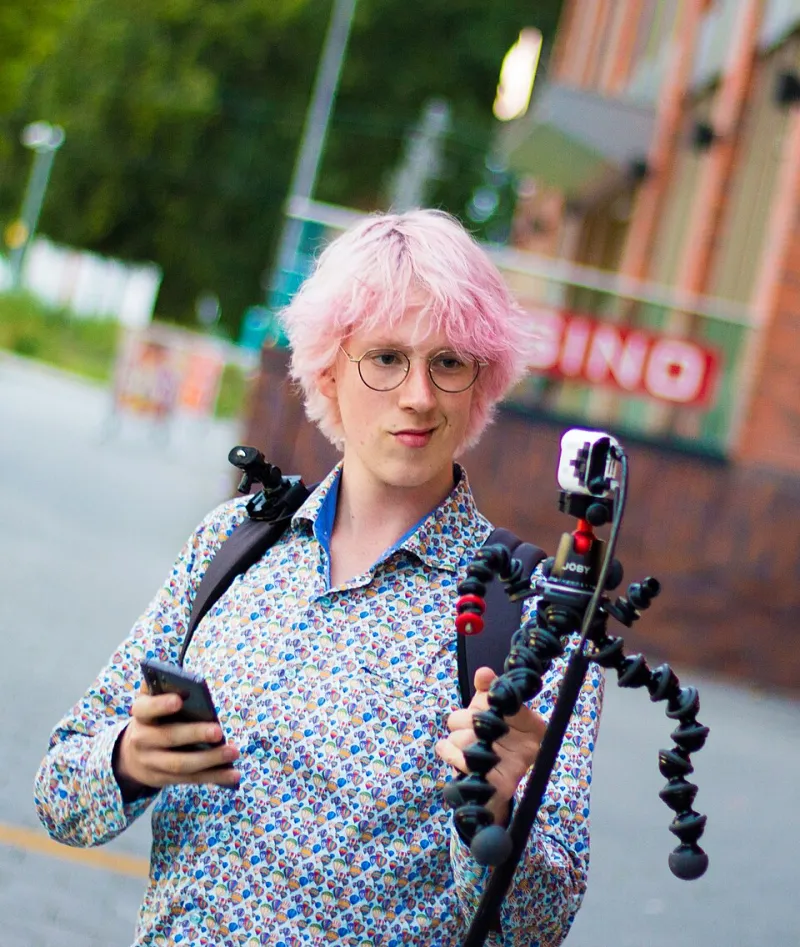
Photo: Jari Schottink, CC BY-SA 4.0, via Wikimedia Commons
Not long ago, saying you were a Twitch streamer was basically shorthand for saying you were a gaming content creator. The platform was synonymous with the medium — the place where communities formed, careers launched, and games became overnight sensations based on a single viral clip. That era isn't exactly over, but it's looking a lot shakier than it did even two years ago.
A steady drumbeat of high-profile departures has turned into something closer to a full-scale migration. Big names, mid-tier creators, and rising stars alike are either leaving Twitch entirely or splitting their time across multiple platforms in ways that would've seemed chaotic — or career-suicidal — back in 2019. YouTube Gaming is absorbing a growing share of that talent. Discord is quietly becoming something more than just a chat app. And Twitch, for all its remaining dominance in raw viewer hours, is dealing with a crisis of confidence it hasn't fully reckoned with publicly.
So what's actually driving this? And what does it mean for the games that rely on streaming culture to find their audiences?
Follow the Money
Let's be real: a significant chunk of this story is just about dollars. Streaming is a job for a lot of people, and platforms compete for talent the same way sports franchises compete for players — with contracts, guarantees, and revenue splits that can make the difference between a comfortable living and a genuinely life-changing payday.
YouTube has been aggressive. The platform's deals with creators like Valkyrae, Sykkuno, and others made headlines precisely because of the numbers attached to them. YouTube doesn't publicize the details, but industry insiders consistently describe the platform as willing to pay meaningful guarantees to lock in established talent — something Twitch has historically been more reluctant to do at scale.
Beyond upfront deals, the revenue structure is different in ways that matter over time. YouTube's ad revenue model tends to favor creators with large subscriber bases who produce content that gets watched long after it's uploaded — a category that includes gaming VODs and highlight compilations. Twitch's model is more live-focused, which rewards consistency and hours streamed but doesn't generate the same kind of passive income from archived content. For a creator thinking about long-term financial stability, that's a meaningful difference.
"YouTube is essentially offering two income streams," explains one creator manager who works with mid-tier streamers. "You get paid when you're live, and you keep getting paid after the stream ends. On Twitch, once the stream is over, it's mostly over. That asymmetry is a big deal when you're trying to build something sustainable."
The Twitch Trust Problem
Money explains a lot, but it doesn't explain everything. Plenty of streamers who've left Twitch weren't chasing bigger checks — they were responding to a platform that felt, to many of them, increasingly indifferent to its own creator community.
Twitch's history of policy changes has not been smooth. Decisions around ad formats, revenue splits (a contentious move to shift more creators to a 50/50 split rather than the 70/30 that top partners enjoyed), music licensing crackdowns, and a moderation system that creators have long described as inconsistent have all contributed to a sense that the platform's priorities don't always align with the people building on top of it. The Amazon-owned platform has also faced criticism for being slow to address harassment, slow to communicate policy changes, and slow to innovate on features that creators have been requesting for years.
None of these issues is necessarily fatal on its own. But they add up. And when a creator who's already a little frustrated gets a call from YouTube offering a guaranteed deal, the math starts looking pretty compelling.
Discord's Quiet Power Play
While the Twitch-vs-YouTube narrative gets most of the attention, there's a third player in this story that deserves more credit: Discord.
Discord isn't a streaming platform in the traditional sense — you're not going to replace your Twitch channel with a Discord server tomorrow. But it has evolved into something that serves a function streaming platforms struggle to replicate: genuine, persistent community infrastructure. Stage channels, community servers, and increasingly sophisticated event tools have made Discord the place where a streamer's most dedicated fans actually live between streams.
Some creators are leaning into this hard, using Discord as their primary community hub while treating streaming platforms as more of a broadcast layer on top. The implication is that platform loyalty — the idea that a creator's audience is fundamentally tied to a specific streaming service — is weakening. Audiences follow creators across platforms more readily than they used to, which both reduces the lock-in power of any single service and makes it easier for streamers to take risks on where they set up shop.
What This Means for Games Trying to Break Through
Here's the part that matters most for the actual gaming industry: streaming fragmentation changes how games get discovered, and it's not a neutral change.
The Twitch-dominated era created a specific discovery pipeline. A game landed on the platform, got picked up by a few big streamers, went viral, and sold hundreds of thousands of copies off the back of that exposure. Among Us is the canonical example, but there are dozens of others. That pipeline worked because audiences were concentrated. When everyone's watching in the same place, a single viral moment can reach an enormous percentage of the gaming audience simultaneously.
Fragmentation breaks that. When the top streamers are spread across Twitch, YouTube, Kick, and various Discord communities, no single moment hits as broadly. For established games with big marketing budgets, that's manageable — they can seed content across multiple platforms simultaneously. For smaller studios hoping that one streamer picks up their game and changes everything overnight, it's a tougher environment to navigate.
"The discovery lottery used to feel more winnable," says one indie developer who released a survival game in 2024. "Now you almost have to think about streaming partnerships the way you think about any other marketing channel — systematically, with a real strategy. The magic moment still happens, but you can't just wait for it."
Where Does This End Up?
Twitch isn't dying — let's be clear about that. It still commands enormous viewership, particularly in competitive gaming and esports, and its brand recognition among casual gaming fans remains strong. But the era of its total dominance is clearly over, and the platform is going to have to work harder to keep both its creators and its audiences than it did when it was the only real game in town.
For streamers, the fragmentation is mostly good news. Competition means leverage, and leverage means better deals and more platform accountability. For developers, it's more complicated — more platforms to court, more communities to build relationships with, and a discovery environment that rewards sustained engagement over lucky breaks.
And for viewers? You might need a few more browser tabs open. But honestly, the content has never been better.