Built to Break: The Dirty Secret Behind Your Expensive Gaming Gear
You've probably got a graveyard somewhere in your house. Maybe it's a drawer in the spare bedroom, or a cardboard box stuffed in the closet. It's full of dead controllers, blown-out headsets, mice with scroll wheels that gave up the ghost after fourteen months, and at least one $80 gamepad with a thumbstick that started drifting so badly it made your character permanently moonwalk into walls.
Here's the uncomfortable part: none of that is bad luck. It's the plan.
The Lifespan Math That Doesn't Add Up
Let's start with some numbers that should make you uncomfortable. The average modern gaming controller retails between $60 and $80. Some premium options — looking at you, Xbox Elite Series — push past $150 without blinking. And yet, a significant chunk of these devices start showing mechanical failure within 12 to 24 months of regular use.
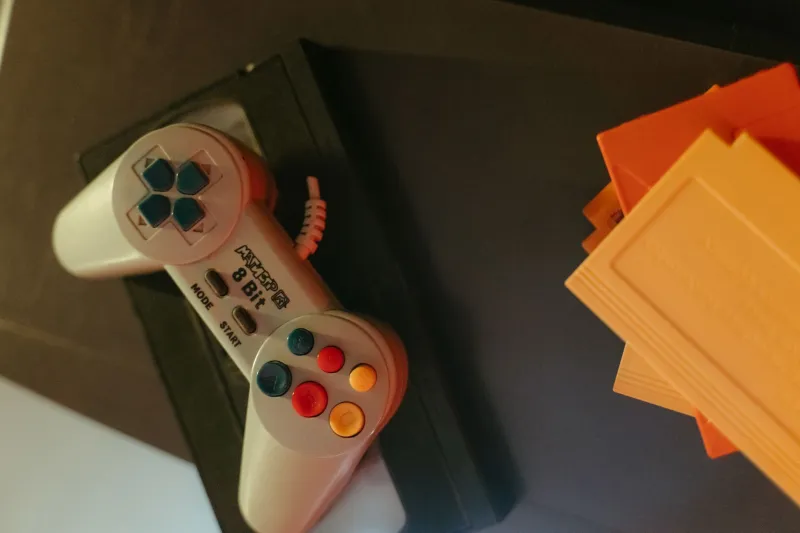
Meanwhile, dig out your dad's old NES controller from 1987. Plug it into a USB adapter. Odds are, the thing still works perfectly.
That's not nostalgia talking — that's a material science problem that manufacturers have quietly solved in reverse. Older peripherals were built with metal contact points, thicker PCB traces, and analog components that could tolerate real wear. Today's controllers are packed with cheaper potentiometers, lighter plastic housings, and joystick mechanisms that wear down faster than a pencil eraser on a standardized test.
Repair technicians who work on gaming hardware will tell you the same story with barely any variation. The components failing inside your controller — particularly the thumbstick potentiometers responsible for the infamous "stick drift" epidemic — cost manufacturers pennies to upgrade. They just don't.
The Drift Problem Nobody Wants to Fix
Stick drift became such a widespread issue that Nintendo actually faced a class-action lawsuit over it in the Joy-Con. The settlement didn't exactly shake the foundations of the industry, but it did shine a spotlight on something repair communities had been documenting for years: the potentiometers used in modern thumbsticks are rated for somewhere between 500,000 and 2 million input cycles. That sounds like a lot until you realize a single gaming session can rack up tens of thousands of micro-movements.
Compare that to Hall effect sensors — a magnetic alternative that carries no physical contact points and theoretically lasts the life of the device. They've been around for decades. They're used in industrial equipment, automotive systems, and high-end specialty controllers. They cost more, sure, but not dramatically so at scale.
Some smaller third-party manufacturers have already started shipping Hall effect controllers at competitive price points. The big players — Sony, Microsoft, Nintendo — have largely declined to follow. When your business model quietly depends on customers replacing hardware every couple of years, the incentive to build something that lasts a lifetime gets complicated fast.
What's Actually Inside That Premium Price Tag
Pop open a $150 Elite Series controller or a high-end gaming headset and you'll find something that doesn't quite match the marketing copy. Premium branding, rubberized grips, and a satisfying unboxing experience are real. But underneath that surface, the internal components often share lineage with budget-tier builds — same potentiometers, similar capacitors, comparable wiring. The price delta frequently reflects design aesthetics, software features, and brand positioning more than it reflects durability.
This isn't speculation — it's something the repair community has been documenting exhaustively on YouTube channels and forums for years. iFixit teardowns, community repair guides, and independent technicians have consistently found that the mechanical failure points in premium controllers are almost identical to those in base models. You're paying more for the experience of ownership, not necessarily the longevity of it.
Headsets have their own version of this problem. Ear cushion foam that deteriorates within a year, plastic hinges engineered with stress points that crack under normal flexing, and cable strain relief that gives out faster than the drivers themselves. None of these are engineering mysteries. They're choices.
The Ecosystem Lock-In Underneath It All
There's another layer here that goes beyond simple planned obsolescence. Manufacturers have increasingly built their peripheral ecosystems in ways that make third-party repairs and replacements difficult, expensive, or straight-up impossible.
Proprietary wireless protocols mean your expensive headset only works with the official USB dongle — lose that dongle and you're essentially buying a new headset. Firmware-locked features mean unauthorized replacement parts sometimes get flagged and disabled. And when manufacturers discontinue product lines, official repair support often evaporates along with them, leaving you holding hardware that can't be fixed and can't be replaced with an equivalent.
This is the part that should genuinely bother you. It's not just that your gear breaks — it's that the infrastructure to fix it is being systematically removed.
Right to Repair and the Peripheral Problem
The Right to Repair movement has gained serious legislative momentum in recent years, with several US states pushing through laws that require manufacturers to provide parts and repair documentation for consumer electronics. Gaming hardware has been slower to enter this conversation than smartphones or laptops, but it's getting there.
Some manufacturers have made token gestures — Microsoft has made noise about sustainability commitments, and Sony has occasionally offered out-of-warranty repair programs — but the fundamental business model hasn't shifted. As long as replacement hardware sells, the incentive to engineer for longevity stays weak.
The repair technicians doing this work in small shops and home garages are, in a very real sense, fighting a rearguard action against an industry that would prefer you just buy new.
What You Can Actually Do About It
None of this means you're completely powerless, even if the options feel limited. Hall effect controllers from brands like GuliKit and Flydigi have started earning serious credibility in enthusiast communities — they're not perfect, but they represent an alternative to the disposable-by-design mainstream.
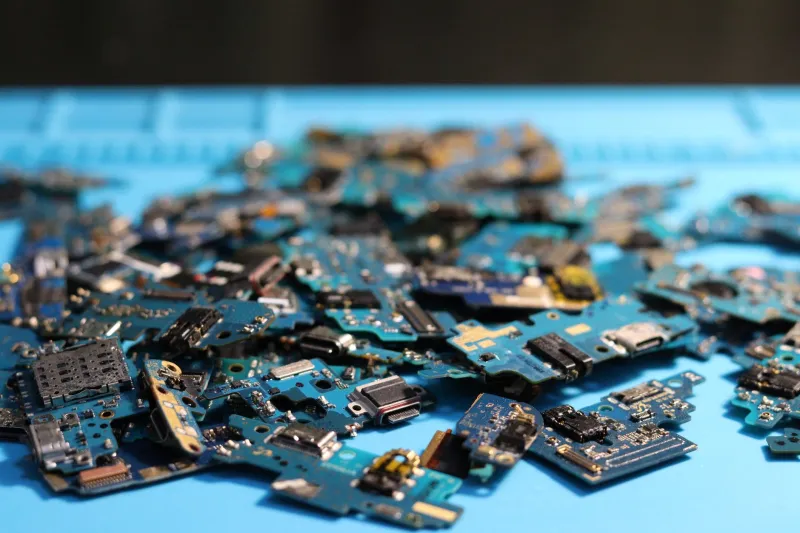
Learning basic controller repair is more accessible than it sounds. Replacement thumbstick modules for most major controllers are available online for a few dollars, and the repair process for something like a DualSense or Xbox controller is well-documented on YouTube. You can extend the life of your hardware significantly if you're willing to put in a couple of hours.
And maybe most importantly — pressure works. The Joy-Con lawsuit moved the needle, at least a little. Consumer reviews that specifically call out durability issues shape purchasing decisions at scale. The repair community's documentation of failure patterns has made it harder for manufacturers to pretend these are isolated incidents.
Your controller graveyard isn't a personal failing. It's a business strategy executed against you. Knowing that doesn't make the drawer any less full — but it's a start.