Paying More, Getting Less? The Truth Behind AAA's $70 Price Tag
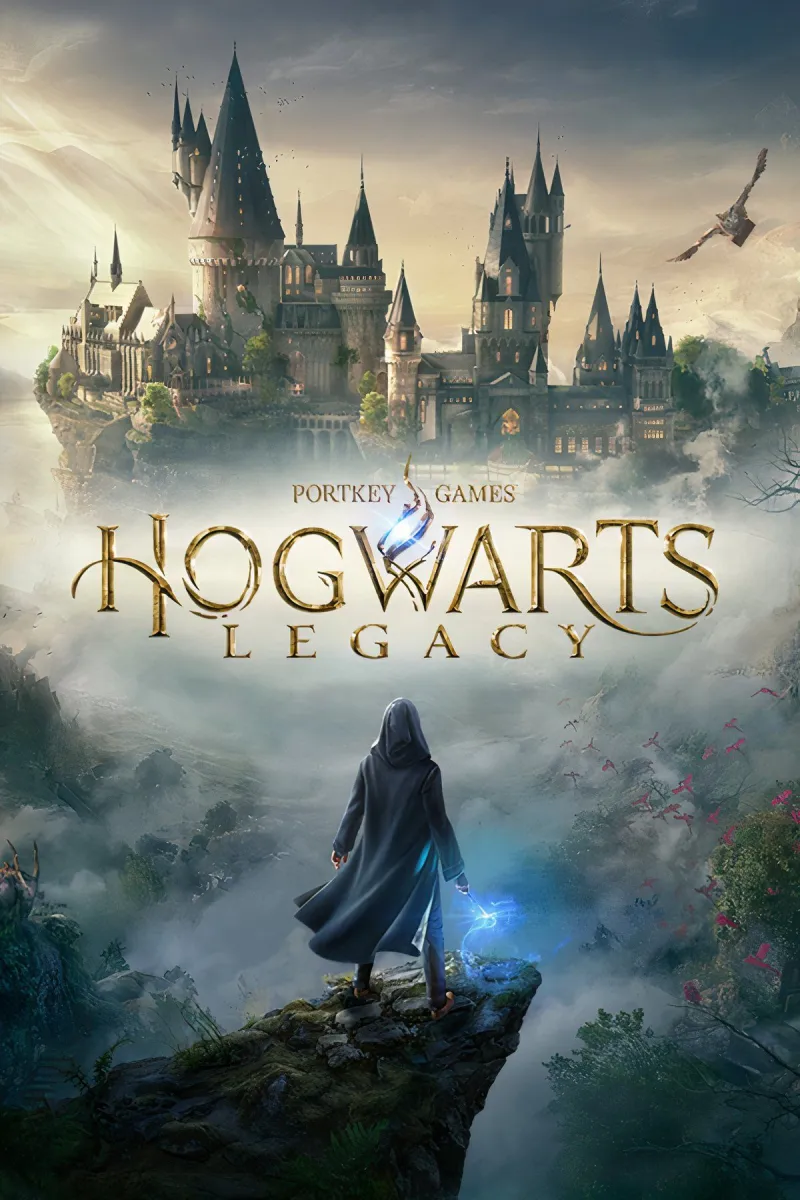
Photo: video game price tag shopping retail store shelf, via static0.gamerantimages.com
Remember when $60 felt like a stretch? That was the standard for years — a number so baked into gaming culture that it felt practically constitutional. Then, around 2021, publishers started quietly crossing a line. NBA 2K21 on PlayStation 5 launched at $70. Others followed. And now, heading into 2025, that extra ten bucks has become the industry's new normal — with whispers of $80 on the horizon.
But here's the thing: players aren't just grumbling about the price hike in isolation. They're grumbling because the games don't always feel like they're worth it.
The Math Publishers Want You to Believe
The argument from the publisher side isn't totally without merit — on paper, at least. Development costs have genuinely ballooned. A mid-tier AAA title in 2015 might have cost $80–100 million to make. By 2023, blockbuster budgets were routinely clearing $200 million, with some reportedly pushing past $300 million when you factor in marketing. Studios are employing thousands of people. Engine tech, motion capture, voice acting, and global localization all cost real money.
Publishers also love pointing out that $60 in 2005 is worth roughly $95 today when adjusted for inflation. So technically, they'll argue, $70 is still a bargain.
Except that argument conveniently ignores a few things.
What the Numbers Don't Tell You
For starters, the revenue streams available to publishers in 2025 look nothing like 2005. Back then, you bought the game. That was the transaction. Today, a $70 purchase is often just the entry fee to a much larger monetization ecosystem — season passes, cosmetic stores, battle passes, paid expansions, and "deluxe editions" that bundle content that used to ship in the box.
Take a franchise like Call of Duty. The base game runs $70. The battle pass is another $10–20 per season. Operator skins? Easily $20 a pop. A dedicated player could realistically spend $200–300 in a single year on one title. The $70 sticker price starts to look less like the cost of a product and more like a down payment.
Industry analyst firm IDG Consulting noted in a 2024 report that the average revenue per user across major live-service titles has increased by over 40% since 2020, even as base game prices climbed. Publishers aren't hurting. They're thriving — just not necessarily by making better games.
The Quality Gap Nobody Wants to Talk About
Here's where it gets uncomfortable. If rising costs were genuinely translating into better experiences, most players would probably shrug and pay. But the 2020–2025 window has been littered with high-profile stumbles: games launching in embarrassing technical states, promised features quietly cut before release, and live-service titles shutting down within months of launch after charging full price.
Cyberpunk 2077 launched in 2020 as a cautionary tale — a $60 title (later $70 on new-gen) so broken on consoles that Sony pulled it from the PlayStation Store. Redfall, Suicide Squad: Kill the Justice League, Skull and Bones — the graveyard of overhyped, underdelivered AAA releases keeps filling up. And players are noticing.
A 2024 survey by GamesIndustry.biz found that consumer confidence in AAA day-one purchases had dropped significantly compared to 2019, with a growing majority of respondents saying they now wait for sales or reviews before buying. That's not a coincidence. It's a trust deficit.
Meanwhile, Indie Studios Are Eating Their Lunch
While AAA publishers are charging more and delivering inconsistently, the indie space has quietly become one of the most exciting corners of gaming — and at a fraction of the price.
Hades, Stardew Valley, Hollow Knight, Celeste, Dave the Diver — these aren't niche curiosities. They're genuinely beloved games that regularly land on Game of the Year lists, and most of them launched at $15–25. Hades 2, one of the most anticipated games of 2024, entered Early Access at $30 and was widely praised as more polished at launch than most $70 titles.
Smaller teams with tighter scopes are consistently outmaneuvering mega-budget studios on creativity, polish, and player satisfaction. That's not a knock on every AAA studio — some still deliver — but it does raise an obvious question: if a team of 20 people can ship a tighter, more innovative experience for $20, what exactly is the extra $50 buying you?
The Franchise Loyalty Factor
One of the darker truths lurking behind the $70 standard is that publishers know exactly who their audience is — and they know that audience will pay. Franchise loyalty is a powerful thing. If you've played every mainline entry in a beloved series, you're probably going to buy the next one at launch regardless of price. Publishers aren't naive about this. The $70 price point didn't emerge from a careful cost-benefit analysis presented to consumers. It emerged because the market would bear it.
Nostalgia and brand attachment function almost like a loyalty tax. You're not just buying a game — you're buying continued membership in a community, a story, a world you've invested years in. That's genuinely valuable. But it's also exploitable, and the evidence suggests it's being exploited.
So What Happens Next?
The $80 barrier is coming. Several analysts and at least one major publisher exec have floated it publicly. Whether players push back hard enough to slow that creep remains to be seen.
What's clear is that the current model is creating a widening gap between what publishers charge and what players feel they're receiving. That gap breeds resentment, piracy, and — maybe most damaging long-term — disengagement. Younger players especially are increasingly comfortable skipping AAA launches entirely and spending that money on Game Pass, indie titles, or just not gaming.
The $70 question doesn't have a clean answer. Development genuinely is expensive. But so is losing your audience's trust. And right now, some of the biggest names in the business are spending a lot of money doing exactly that.